




Wisdom Teeth Removal
Serving Lansdale, Horsham, Harleysville, Erdenheim, Plymouth Meeting, and QuakertownWisdom teeth removal is one of the most common oral surgery procedures. At Commonwealth Oral & Facial Surgery, we provide safe, comfortable wisdom tooth extraction in Lansdale, PA and surrounding areas using modern techniques and sedation options.
What Are Wisdom Teeth?
Wisdom teeth are the third molars that typically develop in the late teens or early twenties. Most people do not have enough room in their mouth for these extra teeth, which can lead to crowding, pain, and infection.
When wisdom teeth do not come in properly, they are called “impacted” and often need to be removed.
Why Remove Wisdom Teeth?
Wisdom teeth removal is recommended when there is risk of:
- Pain or swelling
- Infection or gum inflammation
- Damage to nearby teeth
- Crowding or shifting of teeth
- Cysts or other complications
Early evaluation and treatment can help prevent more serious problems and make the procedure easier.
Signs You May Need Wisdom Teeth Removal
- Jaw pain or pressure in the back of your mouth
- Swollen or bleeding gums
- Difficulty opening your mouth
- Frequent infections around the back teeth
Even without symptoms, impacted wisdom teeth can still cause issues over time.
What to Expect
Your treatment is straightforward and focused on comfort:
- Consultation & X-rays: We evaluate the position of your wisdom teeth
- Sedation Options: IV sedation, local anesthesia, or nitrous oxide available
- Procedure: Wisdom teeth are gently removed in our in-office surgical suite
- Recovery: Most patients return to normal activity within a few days
You will go home the same day with detailed aftercare instructions.
Comfort & Sedation Options
We understand that many patients feel anxious about wisdom teeth removal. Our team offers multiple sedation options to ensure a relaxed and comfortable experience throughout the procedure.
When Should Wisdom Teeth Be Removed?
Wisdom teeth are often evaluated in the mid-teen years. Removing them earlier, before roots are fully developed, can lead to a smoother recovery and fewer complications.
Wisdom Teeth Removal Near You
If you are looking for wisdom teeth removal in Lansdale, PA or nearby areas, our experienced surgical team is here to help. We work closely with your general dentist or orthodontist to ensure the best outcome.
Call 215-368-8104 to schedule a consultation.
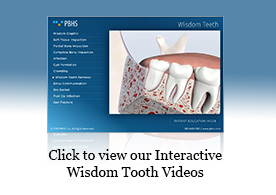
Wisdom Teeth Presentation
To provide you with a better understanding of wisdom teeth, we have provided the following multimedia presentation. Many common questions pertaining to wisdom teeth are discussed.
Wisdom Teeth Removal FAQs
How long does wisdom teeth removal take?
Most wisdom teeth removal procedures take about 30 to 60 minutes. The exact time depends on how many teeth are being removed and whether they are impacted. Your visit will be longer to allow time for sedation and recovery before going home.
How long is recovery after wisdom teeth removal?
Most patients recover within 3 to 5 days, with significant improvement after the first 48–72 hours. Mild swelling and soreness are normal and typically resolve within a week. Full healing of the surgical area may take a few weeks.
Will I be asleep for wisdom teeth removal?
Many patients choose IV sedation, which allows you to sleep comfortably through the procedure. We also offer local anesthesia and nitrous oxide, depending on your preference and clinical needs. We will review all options with you before treatment.
When can I eat normally again after wisdom teeth removal?
You can start with soft foods the same day, such as yogurt, applesauce, or mashed potatoes. Most patients return to a normal diet within a few days, depending on comfort and healing. Hard, crunchy, or spicy foods should be avoided until the area has healed.
Is wisdom teeth removal painful?
The procedure itself is not painful due to anesthesia and sedation. After the procedure, some discomfort and swelling are expected, but this is typically well-managed with prescribed or over-the-counter medications.
When should wisdom teeth be removed?
Wisdom teeth are usually evaluated in the mid-teen years. Early removal, before the roots are fully developed, can make the procedure easier and reduce the risk of complications.
Do all wisdom teeth need to be removed?
Not always. If wisdom teeth come in fully and are easy to clean, they may not need removal. However, most people do not have enough space, and impacted wisdom teeth can lead to future problems if left untreated.